

Following experiencing the devastation of a fire, the physical damage to a property is often only one aspect of the struggle. What continues behind are the lingering odors that can penetrate walls, furniture, and personal belongings, making recovery feel even more daunting. This is where the expertise of the odor removal and fire restoration specialist comes into play. With their expertise and tools, they can breathe new life into a space that feels abandoned to smoke and soot.
In the journey from debris to renewed, understanding the techniques of odor removal becomes essential. The right specialist doesn’t just cover up the smell; they tackle the source of the odor, ensuring that homes and businesses can return to a secure and comfortable environment. Their holistic approach involves assessing damage, employing advanced techniques, and providing tailored solutions that address the specific needs of each property. Through their committed work, they restore not just the structure, but also the peace of mind that comes with a new start.
Grasping Fire Aromas
Combustion smells are a persistent and challenging issue that can remain well after the flames have been put out. The unique smell of smoke is mainly due to a complex mixture of components and chemicals released during burning. These substances can accumulate onto areas and infiltrate elements, making removal hard. Smoke can seep into permeable substances like wood, cloth, and drywall, leading to an persistent battle against unpleasant scents that can affect the environment of a space.
Various types of fire produce diverse odors, with the composition and intensity of smoke varying based on the substances that burned. For case, a fire fueled by artificial materials may result in a stronger and noxious smell compared to one driven by natural substances like wood. Comprehending the source of the smoke is essential in tailoring an effective removal strategy that addresses both the immediate odors and the underlying cause of the problem.
The procedure of odor removal demands expert techniques and equipment that are often beyond standard cleaning methods. Experts in odor removal and fire restoration employ cutting-edge tools and technologies to remove smoke substances and restore indoor air quality. By confronting the cause of the smell and employing methods such as ozone treatment or thermal fogging, these specialists guarantee that spaces are not only cleansed but returned to a healthy and inhabitable state.
### Techniques for Effective Odor Removal
To successfully address persistent odors following fire damage, professionals utilize a series of specialized techniques. One effective method is the use of ozone therapy, which involves generating ozone molecules to inhabit surfaces and eliminate odor-causing particles. This process can access areas that traditional cleaning might miss, delivering a thorough solution to unpleasant smells. Care must be taken to verify the area is adequately ventilated and that the ozone levels are acceptable for humans and pets during and after treatment.
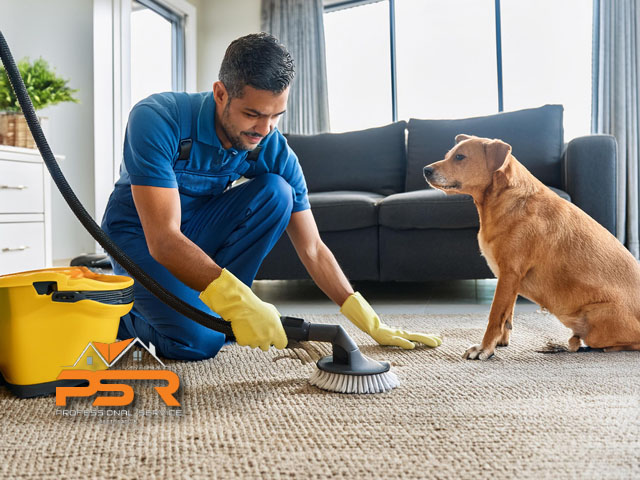
Another common approach is fogging treatment, which involves the use of a warm fogging solution that comprises odor-neutralizing chemicals. When this fog is applied to the affected area, it completes each crevice and crack, encapsulating odor molecules and successfully eliminating them. This technique is notably useful in spaces with porous materials that have absorbed smoke odors, guaranteeing that the complete environment is addressed, rather than just the surface-level issues.
In addition to these methods, professional restoration specialists often implement advanced air purification systems. These systems work with high-efficiency particulate air filters and activated carbon to trap airborne particles and absorb residual odors. By continuously circulating and filtering Odor removal , these systems aid in further lessening unpleasant smells over time, creating a fresh environment as restoration efforts continue. Integrating these techniques often yields the best results, ensuring that fire victims can reclaim their spaces without the burden of persistent odors.
Avoiding Upcoming Odor Problems
Preventing subsequent smell concerns following fire damage demands a holistic strategy to restoration and maintenance. One of the key actions is to ensure that all impacted areas are thoroughly cleansed and sterilized. This entails not only removing visible smoke residue and detritus but also addressing invisible areas where smoke could linger. Professionals in smell removal and fire rehabilitation can utilize advanced techniques and tools to guarantee that no smells are trapped in walls, carpets, or furniture.
Another significant factor is ensuring proper ventilation throughout the restoration procedure and beyond. Clean air circulation helps disperse residual smells, diminishing the possibility of them developing into deep-rooted in the environment. Homeowners should also contemplate purchasing in indoor purifiers with HEPA and active carbon filters, as they can particularly target and eradicate smoke odors successfully, boosting indoor atmospheric quality for the long term.
Frequent checks and maintenance play a vital part in stopping the return of fire-related smells. This comprises checking for any signs of dampness, which can exacerbate smells and contribute fungus spread, as well as ensuring that HVAC units are cleaned and maintained. By taking these proactive steps and partnering intimately with the professional in odor removal, homeowners can safeguard their environments from the perpetual impact of fire damage.
Coral Springs, United States Phone: +1 305-906-1709 Hours: Open 24 hours